


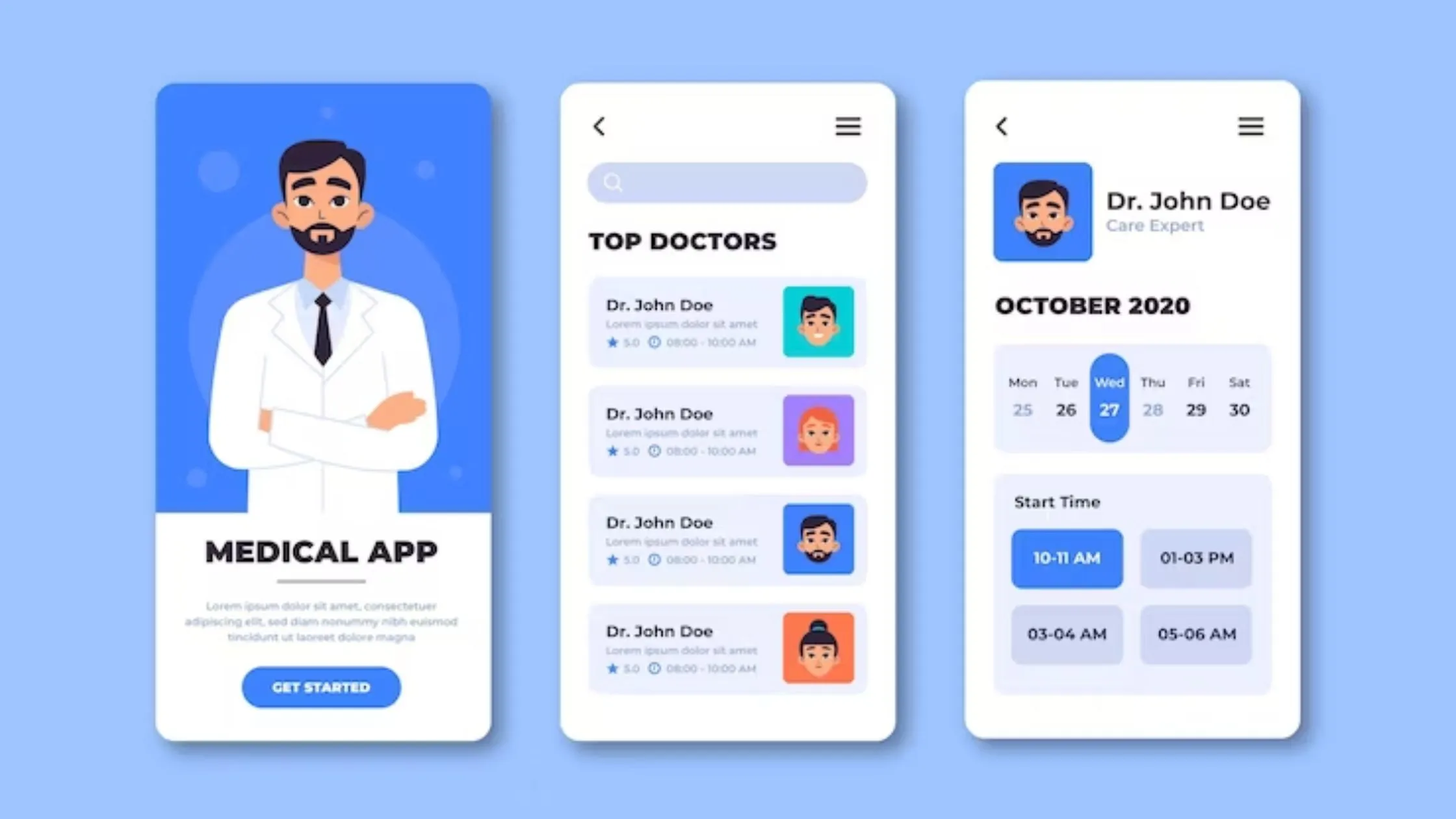
The healthcare industry is rapidly moving toward digital-first patient experiences. Long waiting queues and manual appointment phone calls are officially outdated. Instead, patients expect instant doctor discovery, transparent insurance checking, virtual consultations, digital prescriptions, and on-demand medicine delivery, all from a single app.
This shift has created a massive boom for healthcare marketplace platforms like Practo and Zocdoc. If you are an entrepreneur, hospital system, or startup looking to enter this space, your biggest question is likely: “How much does it actually cost to build one?”
Let’s break down the realistic development costs, core features, architecture, and monetization strategies for building a doctor appointment booking app.
Table of Contents
The Short Answer: Development Cost Breakdown
The cost of building a doctor appointment booking app depends heavily on the complexity of the features, the platforms you target (iOS, Android, Web), and the location of your development team.
| App Complexity | Estimated Cost | Estimated Timeline | Core Capabilities |
| Minimum Viable Product (MVP) | $25,000 – $35,000 | 3 – 4 Months | Basic doctor listings, manual appointment booking, simple user profiles, email/SMS notifications. |
| Mid-Level Scale App | $50,000 – $80,000 | 6 – 9 Months | Telemedicine/video consultations, in-app chat, secure payment gateway, basic EHR integration, ratings & reviews. |
| Enterprise / Advanced Platform | $120,000 | 9+ Months | AI-powered symptom checkers, automatic insurance verification, smart triage systems, multi-clinic management, predictive scheduling, full HIPAA/GDPR compliance. |
How Do Practo and Zocdoc Actually Make Money?
Before spending a dollar on development, you need to know how you’re going to make that money back. These platforms utilize slightly different, highly profitable business models:
- The Zocdoc Model (Pay-Per-Booking): Booking is entirely free for patients. Instead, doctors list their practices for free, and Zocdoc charges providers a one-time marketing/booking fee (typically ranging between $35 to $110 depending on the medical specialty and region) only when a new patient books an appointment.
www.zocdoc.com - The Practo Model (Subscription SaaS + Sponsored Listings): Doctors and clinics pay a monthly or annual subscription fee to use the platform’s clinic management software (Practo Ray). Additionally, clinics can pay for premium placement in search results (Practo Reach).
- Commission-Based Telehealth: The platform takes a fixed percentage (e.g., 15%–20%) from every paid virtual video consultation or chat session hosted on the app.
Business Model of Apps Like Practo and Zocdoc
While Practo and Zocdoc offer similar healthcare booking services, their revenue models and platform capabilities differ in several areas. The table below highlights the major differences between Practo, Zocdoc, and a custom healthcare marketplace app.
| Feature | Practo | Zocdoc | Custom App |
| Telemedicine | Yes | Yes | Yes |
| AI Triage | Limited | Limited | Fully Custom |
| Subscription Revenue | Yes | No | Flexible |
| Booking Fees | No | Yes | Flexible |
Core Blueprint: Features You’ll Need to Build
A comprehensive marketplace platform requires three distinct user experiences, plus highly integrated advanced features.
1. The Patient Panel
- Smart Search & Filters: Filter doctors by specialty, distance, availability, consultation fees, and languages spoken.
- Insurance Checker: Allow patients to upload a photo of their insurance card to instantly see if a provider is in-network.
- Telehealth Portal: Integrated, high-definition video and audio tools for remote check-ups.
- Medical Vault: A secure, encrypted space where patients can access digital prescriptions, lab reports, and medical history.
2. The Doctor/Provider Panel
- Dynamic Calendar & Slot Management: Easily accept, reschedule, or cancel bookings. Doctors can set custom hours and block out vacation days.
www.zocdoc.com - Digital Prescriptions (e-Rx): A streamlined interface allowing doctors to select medications from a dropdown database and send them directly to the patient’s app or local pharmacy.
- Earnings Dashboard: Clear analytics tracking completed visits, outstanding claims, and overall platform revenue.
3. The Super Admin Panel
- Provider Verification Workflow: A secure portal where admins check medical licenses, certifications, and identities before approving a doctor to go live.
- Content & Listing Management: Control over banners, promoted listings, and content blocks.
- Platform Security Analytics: Real-time monitoring of data traffic, system performance, and active user sessions.
4. Advanced Features
- AI Symptom Checker & Triage: An AI-driven chatbot that asks patients about their symptoms and routes them to the correct type of specialist.
- Automated No-Show Protection: Automated smart reminders via SMS, WhatsApp, and push notifications to minimize missed appointments.
emitrr.com
The Tech Stack: What Powers a Healthcare App?
To handle high-volume video calls and sensitive data, you need a robust technical infrastructure:
- Frontend (Cross-Platform): Flutter or React Native (building with these allows you to write one codebase that works beautifully on both iOS and Android, saving you up to 40% in development costs).
- Backend & APIs: Node.js, Python, or Java.
- Database: PostgreSQL (for relational medical data) and MongoDB (for chat logs and flexible data).
- Cloud Hosting: AWS (Amazon Web Services), Microsoft Azure, or Google Cloud.
- Video & Chat APIs: Twilio, Agora, or Zoom SDK.
- Payment Gateways: Stripe, PayPal, or Razorpay.
The Non-Negotiable: Data Security & Compliance
When you build a healthcare app, data security isn’t just a feature—it’s the law. If your app handles Protected Health Information (PHI), your infrastructure must be designed defensively from day one.
Depending on your target market, you must comply with:
- HIPAA (United States)
- GDPR (European Union)
- DISHA / Digital Health Guidelines (India)
Your development team must implement End-to-End Encryption (E2EE) for all video calls and text chats, AES-256 bit encryption for data at rest (stored patient records), and mandatory Multi-Factor Authentication (MFA) for all doctor and admin logins.
Key Variables That Impact Your Final Invoice
- Development Team Location: Hiring an agency in North America or Western Europe usually costs $100–$150+ per hour. Partnering with a vetted development team in Eastern Europe or Asia can lower rates to $30–$60 per hour without sacrificing code quality.
- Number of Integrations: Building a proprietary video tool is expensive. Utilizing third-party APIs (like Twilio for video or Stripe for payments) keeps initial costs down, though you will pay small usage fees over time.
- UI/UX Design Depth: Healthcare apps are used by patients of all ages, including elders. Investing in highly accessible, clean, and custom UI/UX design takes extra design hours but dramatically improves app adoption and retention.
Conclusion
If you are a startup launching a brand-new marketplace, do not try to build a full-scale platform on day one. Start by building a Minimum Viable Product (MVP). Launch a web app or a simple mobile app focused on one specific region or medical niche (e.g., virtual mental health consultations or local pediatric bookings). This allows you to test your business model, gather real user feedback, and prove traction before investing six figures into a massive enterprise ecosystem.
Are you looking to map out a precise feature roadmap, architecture blueprint, or custom cost estimate for your healthcare application? Let’s discuss your vision. What specific region and medical niche are you targeting for your app launch?
Frequently Asked Questions
1. How much does it cost to build an app like Practo or Zocdoc?
The cost of developing a doctor appointment booking app usually ranges between $25,000 and $120,000. The final cost depends on features, platform complexity, telemedicine support, AI integrations, and security requirements.
2. What are the main features of a doctor appointment booking app?
Core features include doctor search, appointment scheduling, video consultations, secure payments, digital prescriptions, patient record management, notifications, and admin dashboards.
3. Which technologies are used to develop healthcare marketplace apps?
Healthcare apps are commonly built using Flutter, React Native, Node.js, Python, PostgreSQL, AWS, Twilio APIs, and secure cloud infrastructure.
4. How do apps like Practo and Zocdoc make money?
These platforms generate revenue through doctor subscriptions, promoted listings, consultation commissions, telemedicine services, and healthcare partnerships.
5. Why is data security important in healthcare apps?
Healthcare apps manage sensitive patient information. Strong security systems such as encryption, secure authentication, HIPAA compliance, and cloud security help protect patient data and improve user trust.