


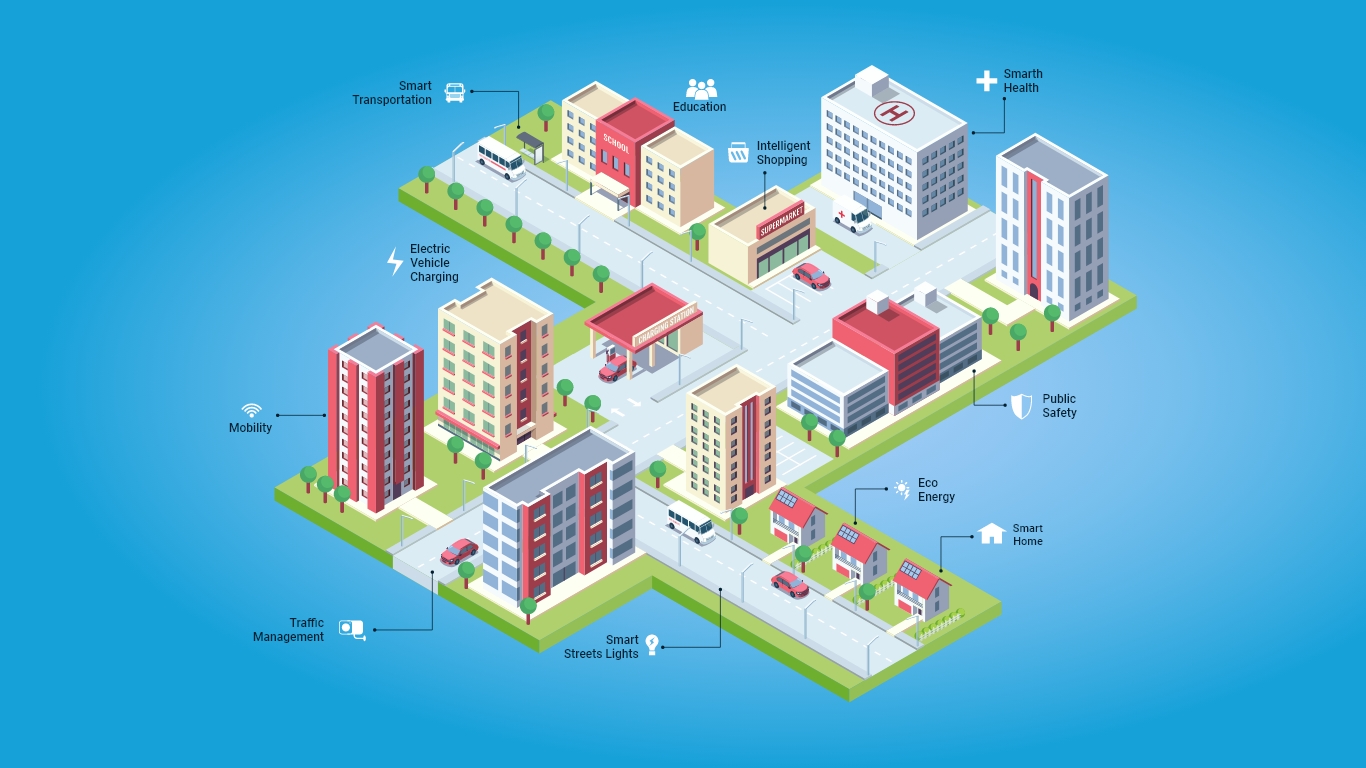
Cities worldwide are investing heavily in smart infrastructure to improve transportation, energy management, public services, and sustainability. According to industry forecasts, the global smart cities market is expected to exceed $1 trillion by 2030, driven by rapid urbanization, IoT adoption, and data-driven governance.
As cities become more connected, managing large volumes of data securely and transparently remains a major challenge. Blockchain technology addresses this challenge by creating tamper-resistant records, enabling secure data sharing, and automating processes through smart contracts. When combined with IoT devices, AI analytics, and cloud platforms, blockchain helps build a trusted foundation for modern smart city ecosystems.
From digital identity management and intelligent transportation to energy trading and public service delivery, blockchain is helping governments and organizations improve operational efficiency while increasing transparency and citizen trust. This article explores how blockchain technology supports smart city development, its key use cases, benefits, challenges, and future potential.
Table of Contents
Smart City and Its Impact on the Environment
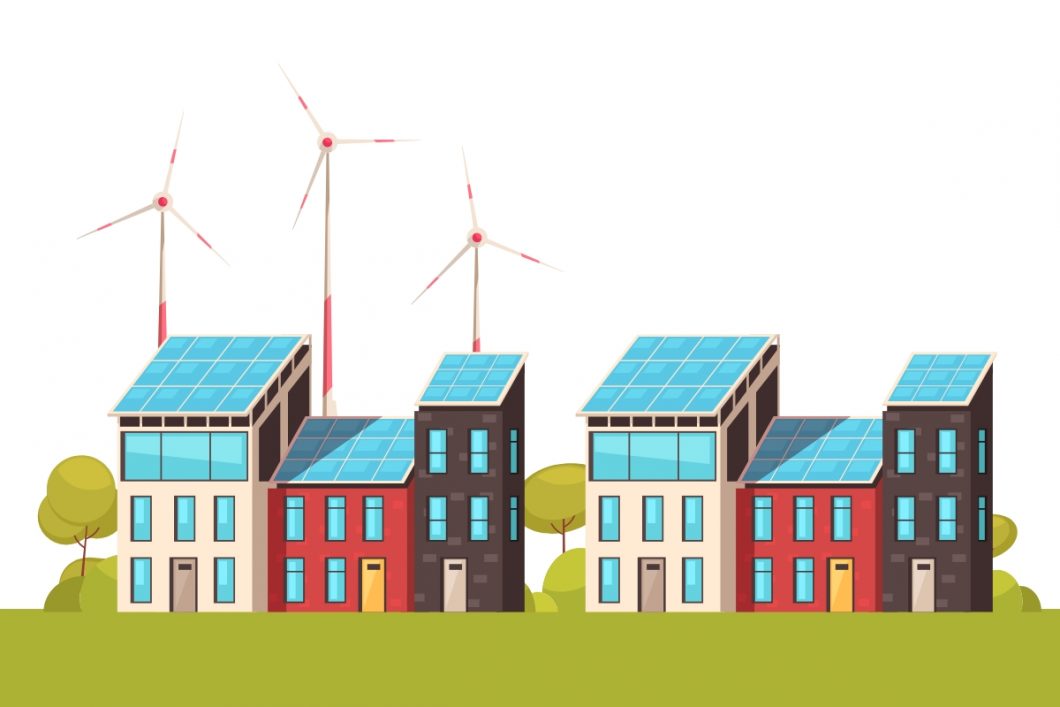
Urban populations continue to grow, putting greater pressure on energy systems, water resources, transportation networks, and waste management infrastructure. To address these challenges, cities are adopting smart technologies that collect and analyze real-time data to improve resource utilization and support sustainability goals.
Blockchain technology strengthens these initiatives by providing a secure and transparent way to record, verify, and share data across multiple stakeholders. Unlike traditional databases, blockchain creates an immutable record of transactions, reducing the risk of data manipulation and improving accountability across city operations.
Smart Energy Management
Energy consumption is one of the biggest challenges for modern cities. Blockchain-powered smart grids enable real-time monitoring of electricity production and consumption. Households and businesses generating renewable energy can securely trade excess power through automated smart contracts, creating a more efficient and decentralized energy ecosystem.
Water Conservation and Monitoring
Water scarcity is becoming a major concern in many urban areas. Blockchain integrated with IoT sensors can monitor water usage, detect leaks, and maintain transparent records of consumption. This helps city authorities improve water distribution and reduce wastage.
Sustainable Waste Management
Smart waste management systems use connected sensors to track waste collection and disposal activities. Blockchain ensures that data remains accurate and verifiable, helping municipalities optimize collection routes, lower operational costs, and improve recycling initiatives.
Carbon Emission Tracking
Many cities have established ambitious carbon reduction targets. Blockchain enables transparent tracking of emissions data across transportation, energy, and industrial sectors. Accurate reporting helps governments measure progress toward sustainability goals and support environmental compliance initiatives.
Building Greener and More Resilient Cities
By combining blockchain with IoT, AI, and smart infrastructure, cities can improve environmental monitoring, increase operational efficiency, and make more informed decisions. These capabilities support long-term sustainability while creating safer, cleaner, and more resource-efficient urban environments.
Use Cases of Blockchain in Smart Cities
As smart cities become more connected, managing large volumes of data securely and efficiently becomes increasingly important. Blockchain helps create trusted digital ecosystems by improving transparency, security, and automation across public and private services. Here are some of the most impactful applications of blockchain technology in smart cities.
Digital Identity Management
Smart cities rely on digital services for healthcare, transportation, education, and government operations. Blockchain enables secure digital identities that allow citizens to access multiple services through a single verified identity while maintaining control over their personal information.
Benefits:
- Reduced identity fraud
- Faster access to public services
- Improved data privacy
- Simplified citizen verification
Smart Transportation and Mobility
Urban transportation systems generate vast amounts of data every day. Blockchain can securely manage traffic information, public transit payments, vehicle records, and ride-sharing transactions.
By combining blockchain with IoT sensors and AI-powered traffic management systems, cities can reduce congestion, improve route planning, and create more efficient transportation networks.
Applications:
- Public transit ticketing
- Vehicle registration
- Traffic management
- Electric vehicle charging networks
Smart Energy Trading
Blockchain supports decentralized energy markets where households and businesses can buy and sell surplus renewable energy directly. Smart contracts automatically execute transactions without requiring intermediaries.
This approach improves energy efficiency while encouraging the adoption of renewable energy sources such as solar and wind power.
Land Registry and Property Management
Property ownership disputes often arise due to incomplete or inaccurate records. Blockchain creates tamper-proof land registries that maintain transparent ownership histories and simplify property transactions.
Key advantages include:
- Faster property verification
- Reduced fraud
- Greater transparency
- Lower administrative costs
Smart Healthcare Systems
Healthcare providers manage large amounts of sensitive patient information. Blockchain enables secure sharing of medical records among hospitals, clinics, insurance providers, and patients while maintaining data integrity.
This improves collaboration among healthcare organizations and reduces administrative inefficiencies.
Waste Management and Recycling
Smart waste management systems use IoT-enabled bins and tracking devices to monitor waste collection activities. Blockchain records collection and disposal data, helping municipalities optimize operations and improve recycling performance.
Public Safety and Emergency Response
Effective emergency response requires real-time collaboration between multiple agencies. Blockchain creates a shared and trusted source of information, allowing emergency services, law enforcement, and municipal departments to coordinate more efficiently during critical situations.
Transparent Government Services
Governments can use blockchain to improve transparency across procurement, licensing, permits, taxation, and public record management. Every transaction is recorded on an immutable ledger, reducing the risk of corruption and increasing accountability.
Citizen Engagement and Digital Voting
Blockchain enables secure and transparent voting systems for local elections, surveys, and public consultations. Citizens can participate in decision-making processes with greater confidence in the integrity of the results.
Smart Infrastructure Management
Cities can use blockchain to monitor roads, bridges, utilities, and public assets throughout their lifecycle. Combined with IoT sensors, blockchain helps track maintenance activities, identify issues early, and improve infrastructure planning.
As smart city initiatives continue to evolve, blockchain is becoming a foundational technology that supports secure data sharing, operational transparency, and efficient urban management across multiple sectors.
Benefits of Blockchain in Smart Cities
Blockchain technology helps smart cities improve transparency, security, and operational efficiency. By creating a trusted environment for data sharing and automation, it supports better decision-making and more effective public services.
Greater Transparency
Every transaction recorded on a blockchain is time-stamped and immutable. This creates a transparent record of activities across government departments, utilities, and public services, helping build trust among citizens and stakeholders.
Enhanced Data Security
Smart cities generate large volumes of sensitive data from connected devices and digital services. Blockchain protects this information through encryption and decentralized storage, reducing the risk of unauthorized access and data tampering.
Improved Operational Efficiency
Blockchain automates many administrative processes through smart contracts. Tasks such as permit approvals, utility billing, and record verification can be completed faster with less manual intervention.
Reduced Fraud and Corruption
Because blockchain records cannot be altered without network consensus, it becomes easier to detect irregularities in procurement processes, financial transactions, and public spending.
Better Resource Management
City administrators gain access to reliable, real-time data that helps optimize the use of energy, water, transportation systems, and public infrastructure. This leads to more efficient allocation of resources and lower operational costs.
Faster Service Delivery
Citizens expect quick and convenient access to public services. Blockchain simplifies identity verification, document management, and service requests, reducing processing times and improving user experiences.
Increased Citizen Trust
Transparent governance and secure data management encourage greater public confidence in government initiatives. Citizens can verify information independently, leading to improved engagement and participation.
Support for Sustainable Urban Development
Blockchain helps cities track environmental metrics, manage renewable energy programs, and monitor resource consumption. These capabilities support long-term sustainability goals while improving overall urban resilience.
Improved Infrastructure Management
When integrated with IoT devices, blockchain enables real-time monitoring of roads, utilities, public assets, and transportation networks. Early issue detection helps reduce maintenance costs and prevent service disruptions.
Future-Ready Digital Ecosystems
Blockchain provides the foundation for emerging technologies such as AI, digital twins, autonomous transportation, and connected infrastructure. This helps cities prepare for future innovation while maintaining security and transparency.
As smart city initiatives continue to expand, blockchain will play an increasingly important role in creating efficient, secure, and citizen-centric urban environments.
Challenges of Implementing Blockchain in Smart Cities
Despite its potential, blockchain adoption in smart cities comes with several technical, operational, and regulatory challenges. City administrations must address these issues to ensure successful implementation and long-term scalability.
Scalability Limitations: Smart cities generate massive amounts of data from IoT devices, transportation systems, utilities, and public services. Traditional blockchain networks may struggle to process such high transaction volumes efficiently, creating performance bottlenecks.
Integration with Existing Systems: Many government agencies and public institutions still rely on legacy infrastructure. Integrating blockchain with existing databases, software platforms, and operational workflows can be complex and time-consuming.
Data Privacy Concerns: While blockchain offers transparency, certain smart city applications involve sensitive citizen data. Governments must ensure compliance with privacy regulations and implement appropriate safeguards to protect personal information.
High Implementation Costs: Deploying blockchain infrastructure often requires investments in technology, training, cybersecurity, and system upgrades. For many cities, budget constraints can slow adoption.
Regulatory and Governance Challenges: Blockchain regulations continue to evolve across different countries and regions. Unclear legal frameworks can create uncertainty around data ownership, compliance requirements, and governance models.
Real-World Examples of Blockchain-Powered Smart Cities
Several cities around the world are already exploring blockchain technology to improve public services, increase transparency, and build more efficient urban ecosystems. These initiatives demonstrate how blockchain can address real-world challenges across transportation, governance, energy management, and citizen services.
Dubai, UAE
Dubai has been one of the earliest adopters of blockchain technology for government services. Through its smart city initiatives, the city has implemented blockchain-based solutions to improve document verification, digital transactions, and public service delivery. The goal is to reduce paperwork, improve operational efficiency, and create a more connected digital government ecosystem.
Singapore
Singapore continues to invest in advanced digital infrastructure and smart city technologies. Blockchain supports several initiatives related to digital identity, healthcare data management, and secure information sharing. These efforts help improve service accessibility while maintaining strong security and privacy standards.
Seoul, South Korea
Seoul has integrated blockchain into various municipal services, including citizen engagement programs and administrative processes. The city uses blockchain to enhance transparency, strengthen trust in public services, and improve the management of digital records.
Zug, Switzerland
Often referred to as “Crypto Valley,” Zug has become a global hub for blockchain innovation. The city has introduced blockchain-based digital identity solutions that allow residents to access selected government services securely and efficiently.
The Future of Blockchain in Smart Cities
As cities become more connected and data-driven, blockchain is expected to play a larger role in managing urban infrastructure and public services. Its ability to provide secure, transparent, and decentralized data management makes it a valuable technology for the next generation of smart cities.
Integration with Artificial Intelligence
AI systems rely on accurate and trustworthy data to make decisions. Blockchain can help verify the integrity of data collected from sensors, devices, and city networks, allowing AI models to generate more reliable insights for traffic management, public safety, and resource planning.
Expansion of Smart Energy Networks
Future smart cities will increasingly depend on renewable energy sources. Blockchain will support peer-to-peer energy trading, automated billing, and transparent energy tracking, helping cities build more sustainable and efficient energy ecosystems.
Growth of Digital Identity Systems
Secure digital identities will become essential for accessing public services, healthcare, transportation, and government platforms. Blockchain-based identity solutions can simplify verification processes while giving citizens greater control over their personal data.
Smarter Infrastructure Management
Connected sensors embedded in roads, bridges, utility systems, and public facilities will continuously generate operational data. Blockchain can securely store maintenance records and support predictive maintenance strategies that help cities prevent costly infrastructure failures.
Autonomous Transportation Ecosystems
As autonomous vehicles become more common, blockchain can facilitate secure communication between vehicles, traffic systems, charging stations, and transportation networks. This can improve safety, efficiency, and coordination across urban mobility.
If you have questions or would like more information about smart cities, please visit our blockchain development Services page. You can also send an email to info@localhost.
systems.
Conclusion
Blockchain is becoming a key technology in the development of smarter, more connected cities. By improving transparency, strengthening security, and enabling trusted data sharing, it helps governments and organizations manage urban infrastructure more efficiently.
From digital identity and smart transportation to energy management and public services, blockchain supports a wide range of smart city applications. When combined with emerging technologies such as AI, IoT, and advanced analytics, it creates a strong foundation for sustainable and data-driven urban development.
While challenges such as scalability, integration, and regulatory compliance remain, ongoing innovation continues to improve the practicality of blockchain adoption. As cities invest in digital transformation initiatives, blockchain is expected to play an increasingly important role in building efficient, secure, and citizen-centric urban ecosystems.
FAQs
What are some specific examples of how blockchain is being used in smart city ecosystems today?
There are a number of specific examples of how blockchain is being used in smart city ecosystems today. Here are a few examples:
- Energy management: The city of Zug, Switzerland is using blockchain to track the energy consumption of its citizens and businesses. This data is used to improve energy efficiency and reduce costs.
- Public transportation: The city of Seoul, South Korea is using blockchain to track the movement of public transportation vehicles. This data is used to improve efficiency and reduce congestion.
- Waste management: The city of San Francisco is using blockchain to track the movement of waste. This data is used to improve efficiency and reduce pollution.
- Land registry: The government of Honduras is using blockchain to create a secure and transparent land registry. This has helped to reduce fraud and improve property rights.
- Supply chain management: The company Walmart is using blockchain to track the movement of food products. This data is used to ensure food safety and traceability.
What are the potential risks of using blockchain in a smart city ecosystem?
There are a number of potential risks associated with using blockchain in a smart city ecosystem. Here are a few examples:
- Security: Blockchain is a secure technology, but it is not immune to attack. If a hacker were to gain access to the blockchain, they could potentially steal data or disrupt the network.
- Complexity: Blockchain is a complex technology, and it can be difficult to implement and manage. This can lead to errors and security vulnerabilities.
- Regulation: The regulatory landscape for blockchain is still evolving, and it is not clear how blockchain-based applications will be regulated in the future. This could lead to uncertainty and compliance risks.
What are the ethical implications of using blockchain in a smart city ecosystem?
The use of blockchain in a smart city ecosystem raises a number of ethical implications. Here are a few examples:
- Privacy: Because blockchain technology is transparent, every transaction is visible to everyone as it is recorded there. This could raise privacy concerns for citizens and businesses.
- Data ownership: Blockchain is a distributed ledger technology, which means that data is stored on multiple nodes. This raises questions about who owns the data and how it can be used.
- Algorithmic bias: Blockchain-based applications often use algorithms to make decisions. This could lead to algorithmic bias, which could disproportionately impact certain groups of people.
What are the challenges of using blockchain technology in a smart city ecosystem?
The challenges of using blockchain technology in a smart city ecosystem include:
- Cost: Blockchain is a relatively new technology, and the cost of implementing it can be high.
- Complexity: Blockchain is a complex technology, and it can be difficult to implement and manage.
- Regulation: The regulatory landscape for blockchain is still evolving, and it can be difficult to comply with all applicable regulations.
It is important to carefully consider the ethical implications of using blockchain in a smart city ecosystem before implementing any blockchain-based applications.